TarlantŒuilly, Vallée de la Marne
Producer profile
PL Grower-producer specializing in single-terroir champagnes with 13 hectares in four villages in Vallée de la Marne. Single-vineyard cuvée Louis was created in 1982. La Vigne d'Antan (chardonnay from ungrafted vines) and La Vigne d'Or (old parcel of meunier) in 1999. Benoît Tarlant says: "For me, the vines are like people: if you don't let them live to seventy or eighty years old, they're not realizing their full potential. When I look at my vineyards, they're not even really mature until they're thirty of forty years old." Only 15% of Tarlant's vineyards are meunier, 50% is pinot noir, and 30% chardonnay. 5% of pinot blanc, arbanne, and petit meslier is grown for the "zesty and exotically fruity" BAM! cuvée. The sandy Les Sables vineyard safeguards the ungrafted chardonnay vines planted in 1950 from the phylloxera insect and is the source for La Vigne d'Antan, in which "the character of the sandy soils and stony marl overwhelms the character of the grape" with a "soil-driven intensity, as if the ripeness of its fruit existed purely as a vehicle for the transmission of terroir." The chalky Les Crayères parcel in Oeuilly, unusual for Vallée de la Marne, is the source of pinot noir and chardonnay for the domaine's top wine Cuvée Louis. "Vinified entirely in oak barrels, it's a broad, expansive wine, demonstrating a richness derived from its temperate climate near the river, balanced by a vivid spine of chalk," "a true river wine." La Vigne Royale, "an excellent single-vineyard champagne" with a "vigorous salinity enlivening the pungent, juicy red-fruit flavors" is made from a limestone parcel of pinot noir in the village of Celles-lès-Condé on the right bank of the Marne river. La Vigne d'Or is a "rich, creamy meunier champagne from vines planted in 1947." Sustainable farming practices, separate parcel vinification, and over half of production fermented and aged in barrel, without malo. Member of Terres et Vins de Champagne. TyS 7/10 "a large range of champagnes energized by malic acidity and characterized by the creamy generosity of ripe fruit, barrel fermentation, liberal use of reserve wines and long ageing." Brut Zero is "one of the Champagne's best brut natures." One of Jacquesson's Chiquet brothers remarks: "Benoît proves that you can be extremely successful, even if you are in the middle of nowhere." Benoît says: "The Marne Valley is defined by the river, cutting like a knife and making many soil types. Our job is to keep the character of each vineyard." "I think malolactic is an industry mistake from 1960s. Traditionally, the majority of champagne was without malolactic fermentation. It makes sense to show the wine naturally, with its natural acidity." "We should respect the origin of the place here in Champagne as much as they do in Burgundy." All of the ferments are done with wild yeasts. Benoît is even experimenting with Qvevri: "if it weren't for Georgia we would not be making wines in Champagne!" "Benoît Tarlant epitomizes what greatness can be achieved even at the far extremes of Champagne. For wines of such integrity and beauty to be drawn out of lesser terroirs, without the polishing potential of dosage, the security of normal levels of sulphur, even with the unlikely inclusion of amphora-fermented components, is downright remarkable." As he "pushes further into these extremes", his cuvées are becoming "not more 'worked' or more edgy, but more pure, more silky and more enticing." ToS 87 "value". "Fruity, deep, vinous, gastronomic" champagnes with the four single-vineyard cuvées at the top of the range.
PL Grower-producer specializing in single-terroir champagnes with 13 hectares in four villages in Vallée de la Marne. Single-vineyard cuvée Louis was created in 1982. La Vigne d'Antan (chardonnay from ungrafted vines) and La Vigne d'Or (old parcel of meunier) in 1999. Benoît Tarlant says: "For me, the vines are like people: if you don't let them live to seventy or eighty years old, they're not realizing their full potential. When I look at my vineyards, they're not even really mature until they're thirty of forty years old." Only 15% of Tarlant's vineyards are meunier, 50% is pinot noir, and 30% chardonnay. 5% of pinot blanc, arbanne, and petit meslier is grown for the "zesty and exotically fruity" BAM! cuvée. The sandy Les Sables vineyard safeguards the ungrafted chardonnay vines planted in 1950 from the phylloxera insect and is the source for La Vigne d'Antan, in which "the character of the sandy soils and stony marl overwhelms the character of the grape" with a "soil-driven intensity, as if the ripeness of its fruit existed purely as a vehicle for the transmission of terroir." The chalky Les Crayères parcel in Oeuilly, unusual for Vallée de la Marne, is the source of pinot noir and chardonnay for the domaine's top wine Cuvée Louis. "Vinified entirely in oak barrels, it's a broad, expansive wine, demonstrating a richness derived from its temperate climate near the river, balanced by a vivid spine of chalk," "a true river wine." La Vigne Royale, "an excellent single-vineyard champagne" with a "vigorous salinity enlivening the pungent, juicy red-fruit flavors" is made from a limestone parcel of pinot noir in the village of Celles-lès-Condé on the right bank of the Marne river. La Vigne d'Or is a "rich, creamy meunier champagne from vines planted in 1947." Sustainable farming practices, separate parcel vinification, and over half of production fermented and aged in barrel, without malo. Member of Terres et Vins de Champagne. TyS 7/10 "a large range of champagnes energized by malic acidity and characterized by the creamy generosity of ripe fruit, barrel fermentation, liberal use of reserve wines and long ageing." Brut Zero is "one of the Champagne's best brut natures." One of Jacquesson's Chiquet brothers remarks: "Benoît proves that you can be extremely successful, even if you are in the middle of nowhere." Benoît says: "The Marne Valley is defined by the river, cutting like a knife and making many soil types. Our job is to keep the character of each vineyard." "I think malolactic is an industry mistake from 1960s. Traditionally, the majority of champagne was without malolactic fermentation. It makes sense to show the wine naturally, with its natural acidity." "We should respect the origin of the place here in Champagne as much as they do in Burgundy." All of the ferments are done with wild yeasts. Benoît is even experimenting with Qvevri: "if it weren't for Georgia we would not be making wines in Champagne!" "Benoît Tarlant epitomizes what greatness can be achieved even at the far extremes of Champagne. For wines of such integrity and beauty to be drawn out of lesser terroirs, without the polishing potential of dosage, the security of normal levels of sulphur, even with the unlikely inclusion of amphora-fermented components, is downright remarkable." As he "pushes further into these extremes", his cuvées are becoming "not more 'worked' or more edgy, but more pure, more silky and more enticing." ToS 87 "value". "Fruity, deep, vinous, gastronomic" champagnes with the four single-vineyard cuvées at the top of the range.
Tasting notes
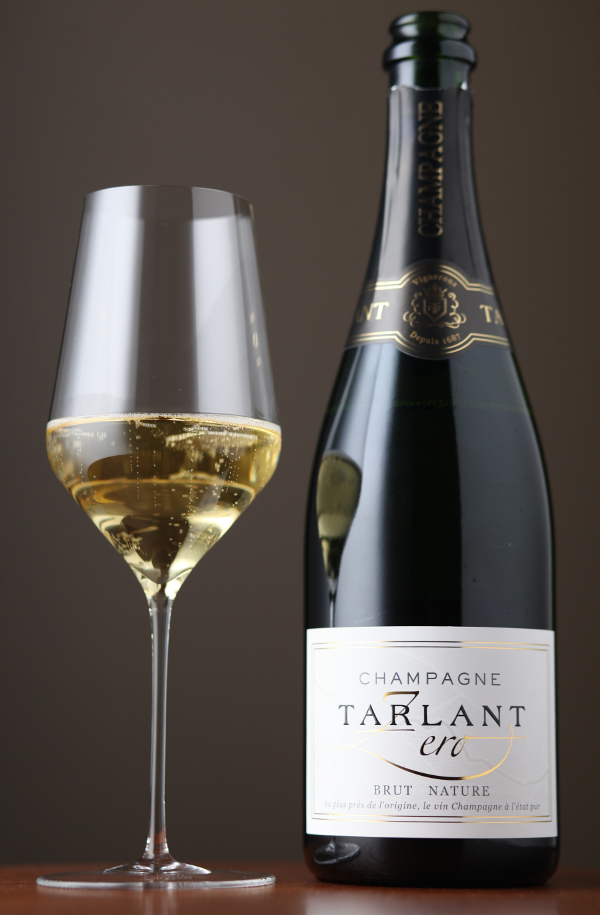 Zero. 2010 harvest with reserve wines. Equal parts of pinot noir, chardonnay, and pinot meunier. Disgorged 20 February 2018 after 6(!) years on the lees. 0g dosage hence the name. A most convincing Brut Nature. Starkly acidic, crunchy, bitter, nearly ginlike. Takes no hostages. But add to all this rigor fine chalk and mouthwatering aromatics from the long ageing on the lees and the result is irresistible. It's confident in its contempt for the sweet and the chummy. Like a ravishingly starving beauty or the lean spring-loaded F1 drivers. It's striking and it works. Mellower and more welcoming from Zalto Bordeaux glass compared to Zalto White Wine glass. Uniquely successful in its demanding category and a good value. Purchased at Hazel's in autumn 2020 for $50. ⭐⭐⭐
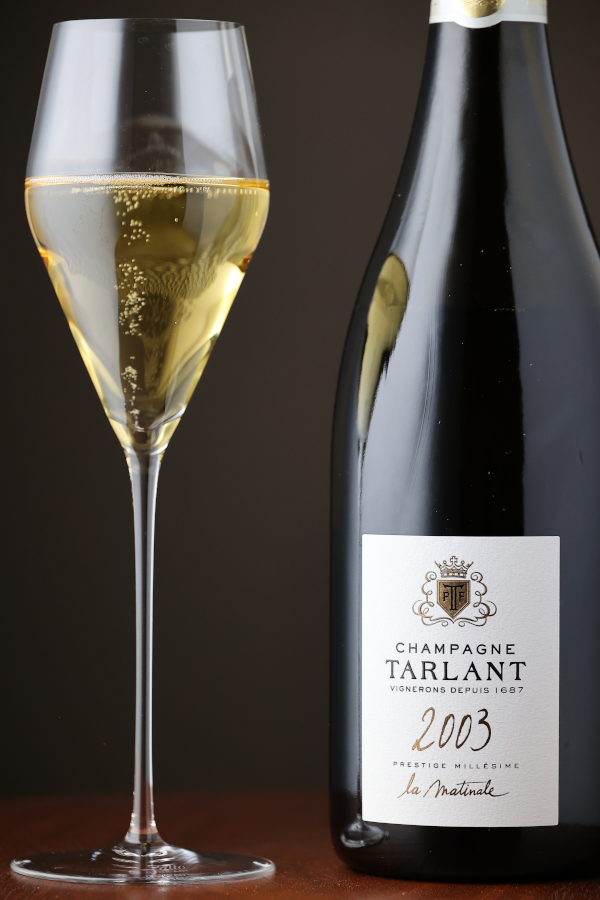 La Matinale 2003. 45% pinot noir, 28% chardonnay, 27% meunier. Disgorged 24 October 2016 after 12(!) years on the lees. 0g dosage. Very fresh scent from the mouth of the bottle. The cork is slightly uneven. Tastes developed and balanced right off the bat with pronounced, appetizing acidity mid-palate and a touch of sherry spirit at the end. Saturated color with good effervescence. Sesame oil nuance from Zalto Burgundy and other engaging impressions. There is a fullness and wholesome bitterness about it. It warms to release wonderful high-toned caramelization. Purchased at Hazel's in autumn 2020 for $80. ⭐⭐⭐
All photos and tasting notes are by @gaiwanstyle
Producer profiles and wine details are from books by Peter Liem (PL), Tyson Stelzer (TyS), and Tom Stevenson (ToS)
Producer profiles and wine details are from books by Peter Liem (PL), Tyson Stelzer (TyS), and Tom Stevenson (ToS)